Custom Media
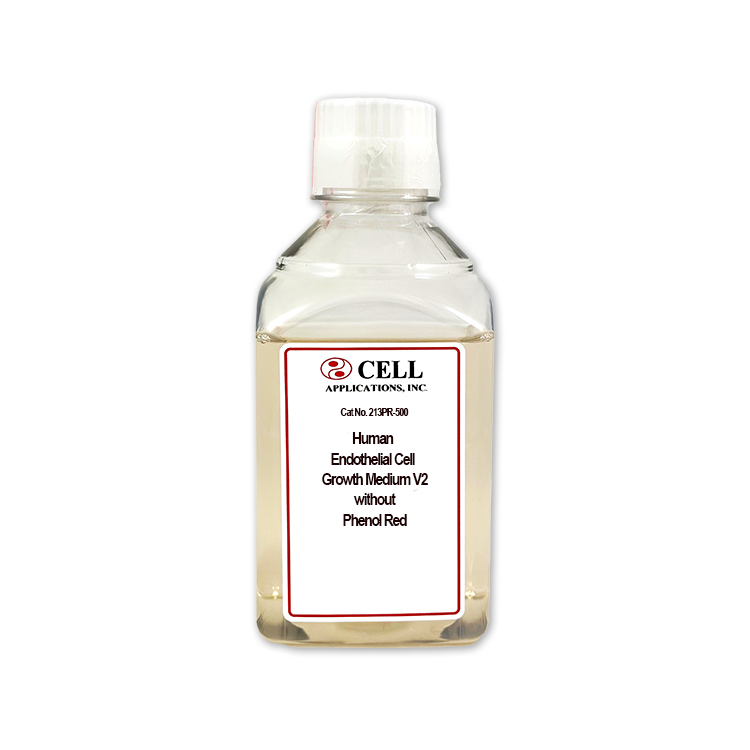
Custom Media refers to cell culture formulations that are modified or built entirely from the ground up to deviate from standard commercial catalogs. Developed to meet specific experimental, physiological, or translational requirements, these liquids or powders allow precise control over every individual component — including amino acids, vitamins, inorganic salts, trace elements, carbon sources (such as glucose, galactose, or pyruvate), growth factors, cytokines, and hormones.
Depending on the research objective, custom media can be tailored as serum-free, protein-free, chemically defined, or completely devoid of specific components. For instance, formulations can be specially prepared without phenol red to prevent background fluorescence or estrogenic artifacts, without glucose to study metabolic starvation or galactose-driven mitochondrial respiration, or lacking specific minerals (like calcium or magnesium) to evaluate cell-to-cell adhesion and structural junctions. Because primary human and animal cells, stem cells, and highly specialized tissue models exhibit distinct nutritional preferences and strict metabolic programs, using custom formulations allows investigators to fine-tune the extracellular microenvironment without the confounding interference of standard, fixed-ratio ingredients.
