Placenta
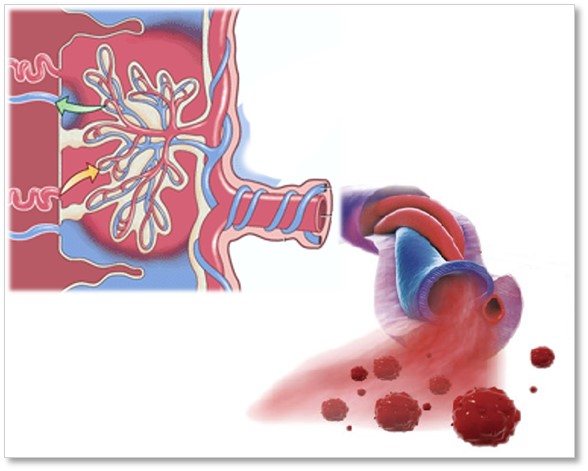
The placenta is a highly specialized, transient organ essential for sustaining fetal development, mediating nutrient and waste exchange, and orchestrating immune tolerance between two genetically distinct organisms: the mother and the fetus. Structurally, the placental barrier comprises a complex multicellular framework partitioned into fetal-derived structures—including the villous tree, the amniotic membrane, and the umbilical cord—and maternal-derived decidual components.
Because accessing healthy, intact human placental tissue during early gestation is clinically restricted, contemporary reproductive biology, stem cell research, and regenerative medicine rely heavily on primary cell populations isolated from full-term, ethically discarded gestational tissues. The core of this research grid focuses on barrier-forming Human Placental Epithelial Cells (HPlEpC)—frequently classified by specific trophoblast or trophoblast-derived epithelial cell subtypes—alongside multipotent stromal networks, specifically Human Mesenchymal Stem Cells from Placenta (HMSC-PL) and Human Mesenchymal Stem Cells from Umbilical Cord (HMSC-UC).
By analyzing these distinct gestational populations, investigators can model the dynamics of the maternal-fetal interface, study transport mechanics across the placental barrier, analyze anti-inflammatory cell-based therapies, and screen for reproductive toxicological risks while reducing many of the altered receptor baselines and abnormal signaling kinetics typical of immortalized choriocarcinoma lines.
