3D Skin Model
The 3D Skin Model is a three-dimensional cellular system primarily constructed from Human Epidermal Keratinocytes (HEK).
Description
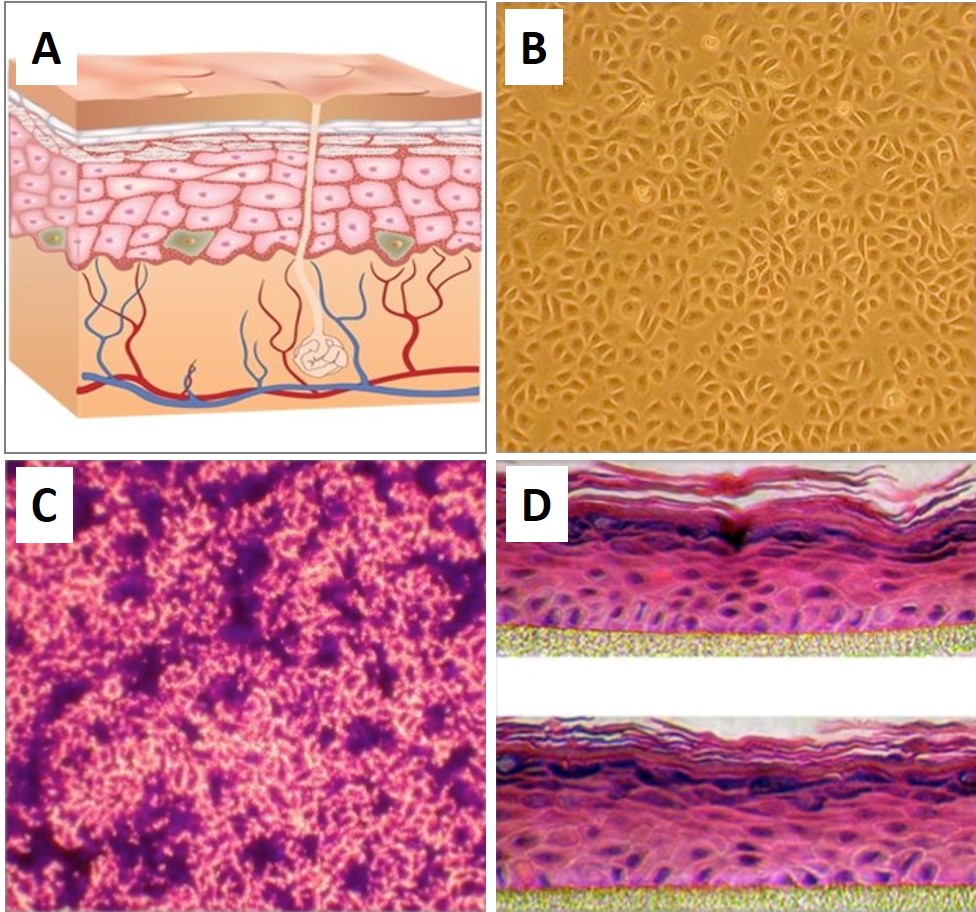
The 3D Skin Model is a highly physiological, three-dimensional cellular system primarily constructed from Human Epidermal Keratinocytes (HEK). This advanced 3D model provides a specialized in vitro platform that is structurally and functionally more representative of the human stratified squamous epithelium than traditional 2D monolayers. In native human skin, the tissue is organized into distinct, highly coordinated zones that form a robust protective barrier against mechanical trauma, chemical influx, and microbial invasion. To replicate this complex skin anatomy, primary keratinocyte populations are seeded onto PCF porous membrane sitting inserts and carefully guided through a process of terminal differentiation at an air–liquid interface (ALI) culture environment.
Under optimized ALI conditions, these skin cells polarize, migrate, and differentiate vertically to form a stratified structure that mimics the essential epidermal skin layers. This tissue engineering process recapitulates the progression from the dividing basal layer up to the outermost layer, the stratum corneum. The stratum corneum acts as the primary outer layer and lipid-rich protective barrier of the epithelium.
However, investigators must note the anatomical boundaries of this standard engineered tissue. While basic 3D skin models successfully recapitulate the epidermal layer, they lack the full, multicellular complexity of native skin anatomy. Unless specifically co-cultured or bioengineered with a supporting dermal matrix, these models lack a vascularized dermis, which forms the structural middle layer composed of fibroblasts and dense connective tisuses. Furthermore, standard models do not inherently possess complex adnexal structures, such as hair follicles, sebaceous glands, or eccrine sweat gland networks.
Organotypic 3D skin models provide an indispensable experimental and translational framework across basic science, cosmetic formulation, and clinical dermatology:
-
Toxicological Screening and Animal Alternative Testing: Basic science and pharmaceutical researchers heavily utilize the 3D Skin Model as a validated alternative to animal testing for assessing chemical safety and cosmetic ingredients. The model provides a reliable matrix to evaluate skin irritation and corrosion caused by topically applied chemicals, skin-cream-based drugs, and consumer cosmetics. By providing a human-derived testing surface, this 3D model helps avoid the misclassification of chemical toxicities and false-positive corrosion metrics frequently observed in animal systems due to species-specific differences in skin permeability.
-
Percutaneous Absorption and Barrier Function: Researchers leverage the stratified architecture of the model to measure phototoxicity, percutaneous absorption, and localized drug penetration rates. The structural integrity of the differentiated keratinocyte layers allows for precise dosing of topical formulations, enabling investigators to trace how compounds diffuse from the outer layer down toward the baseline deepest layer of the epithelium.
-
Skin Aging, Wound Healing, and Pathological Modeling: In advanced dermatology research, the 3D Skin Model serves as a core framework for a variety of experimental protocols, often referred to in specialized laboratory settings as a targeted skin project. Investigators manipulate the culture environment—using ultraviolet (UV) radiation or enzymatic stressors—to study the molecular mechanisms behind skin aging, loss of elasticity, and the formation of superficial wrinkles. Additionally, by introducing mechanical micro-wounds into the stratified sheet, researchers can monitor real-time cellular migration and tissue repair mechanisms.
- Tissue Texturing and Advanced Bioengineering: In the field of regenerative medicine and consumer testing, analyzing the macro-surface attributes of engineered constructs is highly critical. Researchers use high-resolution profiling to document the structural texture and overall skin texture of the matured barrier. While a basic model lacks a lipid-secreting gland structure—such as sebaceous glands that lubricate the hair shaft within a native hair unit — advanced bioengineering teams are working to integrate these components. Current research initiatives focus on co-culturing specialized stem cells within the matrix to encourage the morphogenesis of rudimentary hair follicles and functional gland components, aiming to more closely replicate the full, multicellular landscape of human tissue.
The 3D Skin Model is a highly physiological, three-dimensional cellular system of Human Epidermal Keratinocytes (HEK) for in vitro studies, offering an excellent tool to examine aspects of epithelial function and disease, particularly those related to skin biology and toxicology.
-
Eun & Nam, Exog Dermatol, 2:1–5 (2003)
-
York et al., Contact Dermatitis, 34:204 (1996)
Details
FAQs
Need More Help?
Visit our comprehensive FAQ page for detailed answers to common questions.
Need More Help?
Visit our comprehensive FAQ page for detailed answers to common questions.
Primary Cell FAQs Powered by Bioz