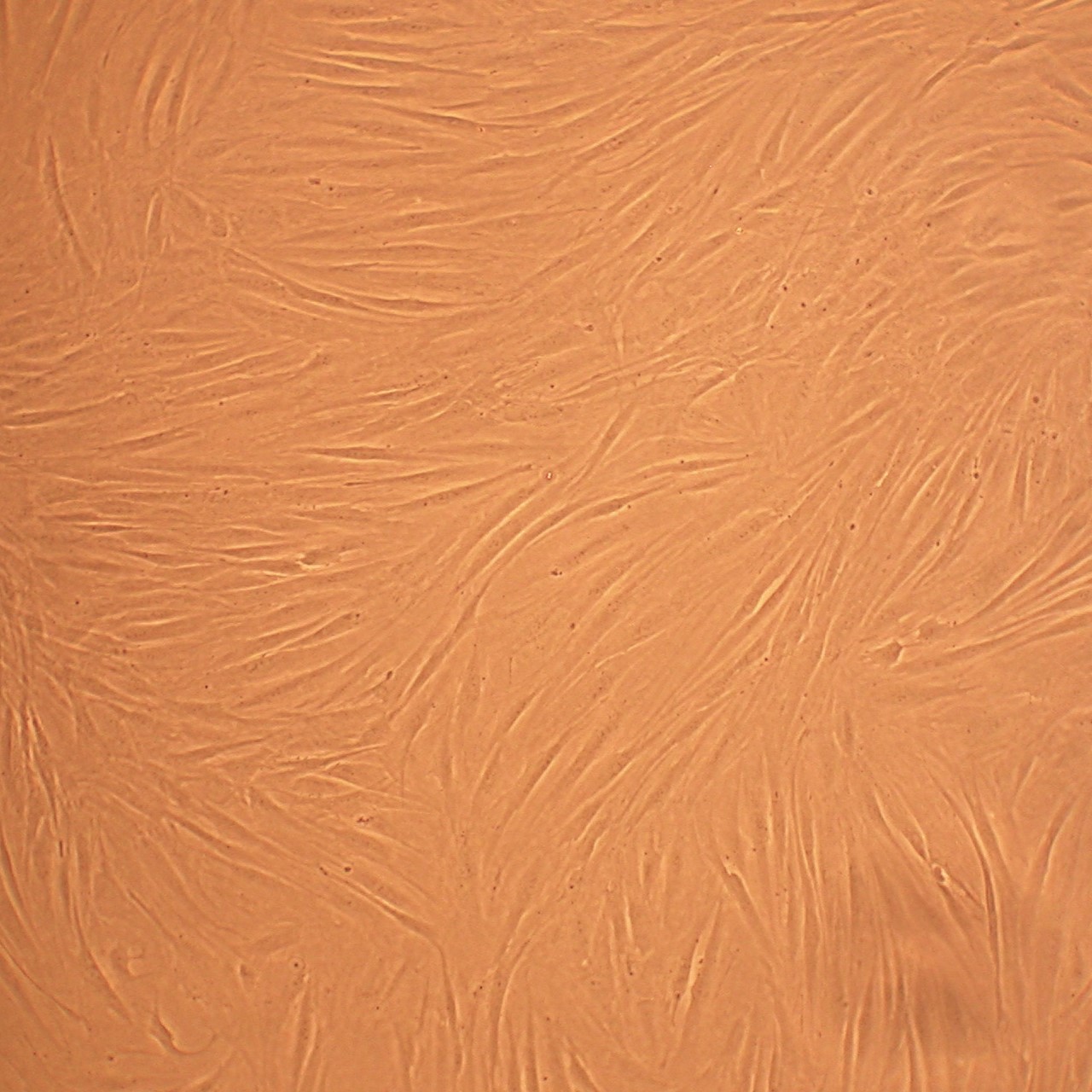
Human Aortic Adventitial Fibroblasts: HAOAF
Human Aortic Adventitial Fibroblasts (HAOAF) are specialized primary cells isolated directly from human aortic adventitial tissue.
Description
Human Aortic Adventitial Fibroblasts (HAOAF) are specialized primary cells isolated directly from human aortic adventitial tissue, typically derived from a healthy human aortic artery. As an abundant cell type within the vascular adventitia of the aorta, these adventitial fibroblasts (also known as human aortic fibroblasts) serve as key structural and regulatory cells within the vessel wall.
Sometimes referred to as HAAF or AoAF, in a physiological state, aortic adventitial fibroblasts are essential for the maintenance and homeostasis of the aortic wall. These fibroblasts synthesize and organize the extracellular matrix, primarily through the production of collagen (Types I and III). While they contribute to the vascular framework, it is important to note that the assembly of the extracellular matrix—specifically elastic fiber assembly—is a complex process involving multiple cells and matrix crosslinking enzymes. Human aortic adventitial fibroblasts act as active contributors to this vascular microenvironment, ensuring the architectural integrity of the connective tissue.
The activation of HAOAF is a significant component of vascular remodeling. When the vessel wall is subjected to vascular injury or biochemical stress, such as exposure to Angiotensin II (Ang II), these cells undergo a phenotypic transition. This process contributes to the progression of various forms of vascular disease and cardiovascular disease, though it remains one of several interacting pathological mechanisms, including endothelial dysfunction and smooth muscle cell phenotypic switching.
-
Atherosclerosis: HAOAF play a role in the development of atherosclerotic plaques by communicating with endothelial cells and smooth muscle cells.
-
Aneurysm and Dissection: Dysregulated vascular remodeling by these cells is associated with the pathogenesis of thoracic aortic aneurysm, abdominal aortic aneurysm, and aortic dissection.
-
Inflammatory Response: Adventitial inflammation is characterized by the secretion of cytokine signals from activated aortic adventitial fibroblasts, which facilitates immune cell infiltration. This environment supports the recruitment of monocytes and other immune cells, contributing to chronic inflammation.
Because they integrate mechanical and inflammatory cues, Human aortic adventitial fibroblasts provide a highly relevant human-specific model for the examination of fibroblast disorders, such as fibrosis. While cardiac fibroblasts are essential for studying heart-specific conditions, human aortic adventitial fibroblasts offer distinct advantages for investigating the unique physiology of the aorta.
Research involving human aortic fibroblasts in cell culture requires high-quality media and reagents to maintain phenotypic stability. These cells are provided as a frozen cell suspension in cryovials or proliferating in flasks and multiwell formats. The use of high-grade media and reagents throughout the cell culture process is vital for consistent results.
By studying the mechanisms of vascular remodeling in Human aortic adventitial fibroblasts, scientists can identify targets for novel disease treatments. These human aortic adventitial fibroblasts remain a cornerstone of vascular research, with a variety of related products and cells online available to support the development of therapies for the vessel wall.
Details
| Tissue | Normal healthy human heart tissue | |
|---|---|---|
| QC | No bacteria, yeast, fungi, mycoplasma, virus | |
| Bioassay | Attach, spread, proliferate in Growth Med | |
| Cryovial | 500,000 HAOAF (2nd passage) frozen in Freezing Medium w/ 10% FBS, 10% DMSO | |
| Kit | Cryovial frozen HAOAF (346-05a, Growth Medium (316-500), Subcltr Rgnt Kit (090K) | |
| Proliferating | Shipped in Gr Med, 3rd psg (flasks or plates) | |
| Doublings | At least 12 | |
| Applications | Laboratory research use only (RUO). Not for human, clinical, diagnostic or veterinary use. |
Resources
FAQs
Need More Help?
Visit our comprehensive FAQ page for detailed answers to common questions.
Need More Help?
Visit our comprehensive FAQ page for detailed answers to common questions.
Primary Cell FAQs