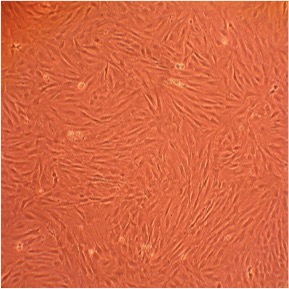
Rat Dermal Fibroblasts: RDF. Isolated from rodent skin tissue.
Rat Dermal Fibroblasts: RDF
Rat Dermal Fibroblasts (RDF) are primary fibroblasts isolated directly from rat skin tissue.
Description
Rat Dermal Fibroblasts (RDF) are primary fibroblasts isolated directly from rat skin tissue. Classified as primary cells rather than immortalized cells, they retain their original phenotypic traits, physiological behaviors, and genetic stability without the artifacts introduced by viral oncogenes or chemical transformation.
These cells are widely recognized as indispensable models in cell biologics and molecular biology research. Serving as a crucial comparative benchmark, they are frequently analyzed alongside other rodent lines — such as C57BL/6 mouse primary cells, diabetic mouse cells, and general mouse cells — as well as human primary cells, human cells, and rabbit cells to evaluate cross-species cellular responses and structural tissue mechanics.
In vivo, rat primary dermal fibroblasts are the principal mesenchymal cells embedded within the dermis. Derived from healthy rat tissues, their primary physiological function centers on the synthesis, maintenance, and structural remodeling of the extracellular matrix (ECM). They are responsible for the dynamic secretion of key structural proteins, notably type iii collagen, which provides tensile strength and elasticity to regenerating skin.
Through tightly regulated gene expression pathways, these rat cells coordinate the migration and proliferation of neighboring epithelial cells and endothelial cells to re-establish the dermal-epidermal barrier. This specialized functionality makes rat primary cells an ideal resource for exploring the cellular cascades governing structural tissue repair and pathologic scar formation.
Commercially available or through specialized cell biologics products, RDFs obtained via custom cell isolation protocols are indispensable across a range of translational applications:
1. Wound Healing and Grafting
In regenerative medicine, RDFs are frequently integrated into allogenic prosthetic grafts. Their inclusion accelerates wound healing by demonstrating superior epithelialization, faster tissue regeneration, and highly organized collagen deposition compared to acellular matrices.
2. Cell Sheet Engineering
Researchers have successfully utilized RDF cell sheets in allogeneic rat models to treat deep organ damage. For example, transplanting a sheet of dermal fibroblasts onto injured liver cells actively promotes the migration of hepatic progenitor stem cells, leading to rapid parenchymal healing.
3. Cardiovascular and Pulmonary Controls
Within complex organ-specific modeling, RDFs serve as vital negative or tissue-specific controls. When evaluating specialized lineages — such as rat cardiac fibroblasts, bone marrow cells, or rat lung fibroblasts — dermal fibroblasts provide a non-cardiac, non-pulmonary mesenchymal baseline. This allows researchers to distinguish generalized fibroblastic behaviors from highly specialized tissue-resident responses in engineered cardiac patches or pulmonary constructs.
4. Advanced Genetic Modification
Because primary cells can be difficult to manipulate, advanced protocols optimize gene transfection and endothelial specific aadenoviral overexpression to study precise signaling pathways within the ECM. Following these modifications, flow cytometry is routinely applied to immunophenotype cell surface markers, monitor transfection efficiencies, and isolate distinct cellular subpopulations. To preserve cell health and phenotypic fidelity throughout these long-term culture experiments, researchers rely on optimized, serum-supplemented cell culture media tailored to maintain primary rodent lineages.
Rat Dermal Fibroblasts (RDF) from Cell Applications, Inc. have been used in allogenic prosthetic grafts, demonstrating improved epithelization, collagen organization and faster regeneration. The cells were also used in a cell sheet engineering study, where a sheet of dermal fibroblasts was transplanted into the damaged liver in allogeneic rat model to promote migration of hepatic progenitor cells and faster healing, and as a control in engineered cardiac tissues.
Details
| Tissue | Normal healthy rat dermis | |
|---|---|---|
| QC | No bacteria, yeast, fungi, mycoplasma | |
| Bioassay | Attach, spread, proliferate in Growth Med | |
| Cryovial | 500,000 RDF (1st passage) frozen in Basal Medium w/ 10% FBS, 10% DMSO | |
| Kit | Cryovial frozen RDF (R106-05n), Growth Medium (R116-500), Subcltr Rgnt Kit (090K) | |
| Proliferating | Shipped in Gr Med, psg 2 (flasks or plates) | |
| Doublings | At least 8 | |
| Applications | Laboratory research use only (RUO). Not for human, clinical, diagnostic or veterinary use. |
Resources
FAQs
Need More Help?
Visit our comprehensive FAQ page for detailed answers to common questions.
Need More Help?
Visit our comprehensive FAQ page for detailed answers to common questions.
Primary Cell FAQs Powered by Bioz