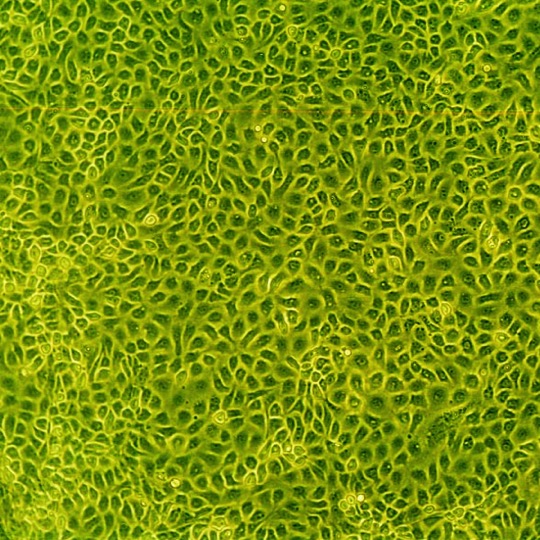
Bovine Endometrial Epithelial Cells: BEnEpC. Isolated from the inner membrane of the mammalian uterus.
Bovine Endometrial Epithelial Cells: BEnEpC
Bovine Endometrial Epithelial Cells (BEnEpC) are primary epithelial cell populations derived from the bovine endometrium.
Description
Bovine Endometrial Epithelial Cells (BEnEpC) are primary epithelial cell populations derived from the bovine endometrium that provide a valuable in vitro model for studying endometrial epithelial function, pregnancy-related signaling, and early embryo communication. Because the endometrium undergoes dynamic changes across the estrous cycle and becomes specialized for early pregnancy, BEnEpC are widely used to investigate how endometrial epithelial cells respond to reproductive cues and coordinate processes such as endometrial receptivity, controlled epithelial secretions, and signaling pathways that support embryo implantation and embryo development. In this context, BEnEpC enable mechanistic studies of how prostaglandins and cytokines are produced in response to defined stimuli, including prostaglandins such as PGF2α and PGE2 and inflammatory mediators including interleukin-6 release.
BEnEpC are also used to understand intracellular and intercellular signaling mechanisms important for successful conception. For example, studies employing BEnEpC have examined how signaling pathway components mediate hormone-driven prostaglandin production in early pregnancy contexts, and how gene expression programs — assessed by mrna expression, total rna, and expressed gene profiles — reflect the endometrial transcriptome during early pregnancy and implantation. Beyond candidate pathways, transcriptomic approaches have been used to identify differentially expressed genes and enriched signaling mechanisms, including analyses of genes and KEGG pathways, supporting deeper exploration of molecular mechanism links between epithelial function and endometrial receptivity.
Because pregnancy outcomes depend on coordinated communication between epithelial cells and other uterine compartments, BEnEpC are frequently leveraged to model epithelial–stromal cell interactions and to assess how epithelial signaling and endometrial function are modulated during uterine inflammation and uterine immune environment. This makes BEnEpC relevant to veterinary medicine and animal science, including research aimed at improving embryo implantation efficiency in dairy cows and understanding how epithelial gene programs influence embryo development. In addition, BEnEpC have been used to study cellular adherence and cytotoxicity effects relevant to reproductive tract health, and to explore genetic associations involving gap junction–related genes that may influence conception rate and endometrial function across bovine oviduct and uterine contexts.
Bovine Endometrial Epithelial Cells (BEnEpC) from Cell Applications, Inc. provide an excellent model system to study many aspects of epithelial function and disease, especially those related to the endometrium and pregnancy-related signaling, such as seminal plasma induced prostaglandins F2α, (PGF2α), E2 (PGE2) and interleukin-6 release by endometrial cells, or the role of PLA in mediating oxytocin-stimulated production of prostaglandins. BEnEpC have also been used to demonstrate the association between variants of gap junctions related genes and conception rate, and to investigate cellular adherence and cytotoxicity of Histophilus somni.
Details
| Tissue | Normal healthy endometrial epithelium | |
|---|---|---|
| QC | No bacteria, yeast, fungi, mycoplasma | |
| Bioassay | Attach, spread, proliferate in Growth Med | |
| Cryovail | 500,000 BEnEpC (2nd passage) frozen in Basal Medium w/ 10% FBS, 10% DMSO | |
| Kit | Cryovial frozen BEnEpC (B932-05), Growth Medium (B911-500), Subcltr Rgnt Kit (090K) | |
| Proliferating | Shipped in Gr Med, 3rd psg (flasks or plates) | |
| Doublings | At least 10 |
Resources
FAQs
Need More Help?
Visit our comprehensive FAQ page for detailed answers to common questions.
Need More Help?
Visit our comprehensive FAQ page for detailed answers to common questions.
Primary Cell FAQs Powered by Bioz