Human Pulmonary Artery Endothelial Cells: HPAEC
Human Pulmonary Artery Endothelial Cells (HPAEC) are primary endothelial cells isolated directly from the large macrovascular segment of the human pulmonary artery.
Description
Human Pulmonary Artery Endothelial Cells (HPAEC) are primary endothelial cells isolated directly from the large macrovascular segment of the human pulmonary artery. Unlike immortalized lines, these vascular endothelial cells maintain their native physiological responsive features in vitro, making them useful tools for vascular biology and pulmonary medicine. Because endothelial cells exhibit significant heterogeneity across different vascular beds — and even between macrovascular cells and microvascular endothelial cells from the same organ — confirming experimental discoveries across multiple cell lots from diverse primary cells is considered standard practice.
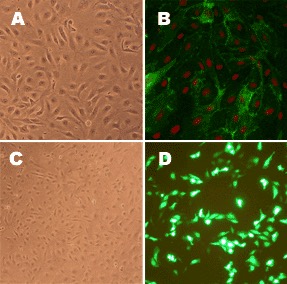
To prevent phenotypic drift and support proper cell health, HPAEC require optimized growth conditions. They are routinely cultured in a specialized endothelial cell medium or an advanced formulation of Endothelial Cell Growth Medium. Standard endothelial quality control involves verifying the characteristic cobblestone morphology and assessing classic endothelial markers. Characterization typically includes confirming positive expression for vWF / Factor VIII, alongside functional verification via acetylated low-density lipoprotein (Ac-LDL) uptake assays to confirm endothelial functionality and help detect non-endothelial contamination.
In vivo, these cells form a continuous, anti-thrombotic monolayer lining the luminal surface of the main pulmonary trunk and large pulmonary arteries. Unlike other large-conduit macrovascular counterparts, such as coronary artery endothelial cells or a human aortic endothelial cell (which experience systemic arterial pressures), HPAEC exist within a low-pressure, high-flow vascular circuit that delivers deoxygenated blood toward the respiratory zones of the lung.
Within the pulmonary arterial wall structure, these cells are separated by a basement membrane from the underlying vascular smooth muscle cells. While pulmonary microvascular endothelial cells reside downstream in the small alveolar capillaries where gas exchange occurs, macrovascular HPAEC reside in the larger vessels where they experience distinct mechanical shear stress vectors and interact closely with blood-borne components and circulating signaling molecules.
The primary function of HPAEC is to regulate pulmonary vascular tone and manage thrombosis within the lung’s macrovasculature. By producing potent vasoactive substances, such as nitric oxide (NO) and endothelin-1, they modulate the contraction and relaxation of adjacent smooth muscle cells. When exposed to chemical insults like vanadium, endothelial NO production is inhibited, leading to abnormal pulmonary vasoconstriction.
Additionally, HPAEC play a vital role in controlling endothelial permeability. Signaling pathways governed by AMP-activated protein kinase (AMPK) and cyclic GMP (cGMP) help maintain a tight endothelial barrier. Under pathological conditions — such as acute crisis in sickle cell anemia or exposure to fine pollutant particles — these cells up-regulate clotting-related genes and release excess endothelin-1, triggering vascular constriction and hyperpermeability. Chronic inflammation, severe oxidative stress, or prolonged hypoxia disrupts this balance, causing endothelial cell senescence, cell death, and endothelial dysfunction. This breakdown can lead to acute lung injury or structural remodeling of the vessel wall.
In biomedical and pharmaceutical research, HPAEC serve as a useful model system to study the pathophysiology of complex vascular diseases and screen for novel therapeutic interventions. They are extensively used to investigate the molecular mechanisms underlying pulmonary hypertension and hypoxia-induced distress, where macrovascular pulmonary endothelial cells upregulate hypoxia-inducible factor-1 (HIF-1) signaling under hypoxia. For example, scientific references document using HPAEC to demonstrate the vasculoprotective mechanisms of anesthetics like propofol in treating pulmonary arterial hypertension, as well as the anti-inflammatory and cardioprotective pathways stimulated by natural compounds like resveratrol.
Researchers also use these primary cells in high-throughput screening assays to discover novel small molecules — such as bacterial inhibitors like anziaic acid — and to explore target gene expression via siRNA-mediated silencing of lipid transporters. Furthermore, by evaluating HPAEC data alongside associated products and complementary cellular models — such as human coronary artery cells, aortic endothelial cells, human podocytes, or human gastric fibroblasts — investigators can successfully isolate pulmonary-specific vascular mechanisms from systemic responses, driving the development of targeted therapies for chronic respiratory and cardiovascular disorders.
- Vasculoprotective effects of propofol, demonstrating its potential for treating pulmonary arterial hypertension
- Hits from a high-throughput screening assay and discover anziaic acid inhibits bacterial activity
- Endothelin-1 is released by endothelial cells during acute crisis in sickle cell anemia, increases vascular constriction
- Pollutant particles cause vascular dysfunction by up-regulating clotting-related genes
- Central role of AMP-activated protein kinase in normal endothelial barrier function can be disrupted, causing endothelial hyperpermeability and lung injury
- Anti-inflammatory and cardioprotective effects of resveratrol
- cGMP prevents oxidant-induced damage to the endothelial barrier function
- Radiation causes endothelial cell senescence due to up-regulation of proliferative signaling in the presence of cell cycle arrest
- Vanadium exposure causes pulmonary vasoconstriction mediated in part by the inhibition of endothelial NO production
- Cytotoxic effects of a novel pore-forming protein, proposed as an anti-tumor agent
- Effects of Bone Morphogenic Protein-4, helping to explain why its upregulation leads to atherosclerosis and hypertension
- Macro-vascular pulmonary endothelial cells accumulate HIF-1 under hypoxic conditions
- Transportation of bioactive lipids and its silencing by siRNA
Details
| Tissue | Normal healthy human pulmonary artery | |
|---|---|---|
| QC | No bacteria, yeast, fungi, mycoplasma, virus | |
| Character | VIII-related Ag expression, DiI-Ac-LDL uptake | |
| Bioassay | Attach, spread, proliferate in Growth Med | |
| Cryovial | 500,000 HPAEC (2nd passage) frozen in Basal Medium w/ 10% FBS, 10% DMSO | |
| Kit | Cryovial frozen HPAEC (302-05a), Growth Medium (211-500), Subculture Rgnt Kit (090K) | |
| Proliferating | Shipped in Gr Med, 3rd psg (flasks or plates) | |
| Doublings | At least 15 | |
| Applications | Laboratory research use only (RUO). Not for human, clinical, diagnostic or veterinary use. |
Resources
FAQs
Need More Help?
Visit our comprehensive FAQ page for detailed answers to common questions.
Need More Help?
Visit our comprehensive FAQ page for detailed answers to common questions.
Primary Cell FAQs Powered by Bioz