Human Femoral Artery Endothelial Cells: HFAEC
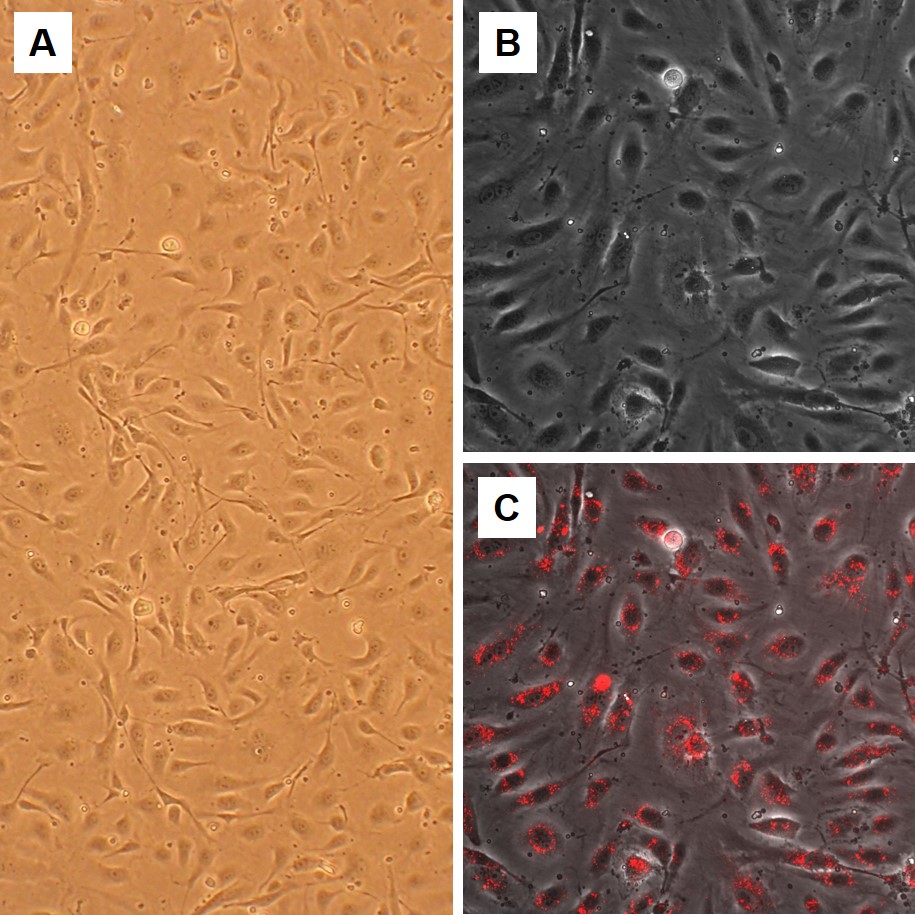
Human Femoral Artery Endothelial Cells (HFAEC) are specialized primary cells isolated from the tunica intima of the human femoral artery.
Description
Human Femoral Artery Endothelial Cells (HFAEC) are specialized primary cells isolated from the tunica intima of the human femoral artery. Positioned at the interface between the circulating blood and the vessel wall, each endothelial cell acts as a selective barrier and an active regulator of vascular health in the lower extremities.
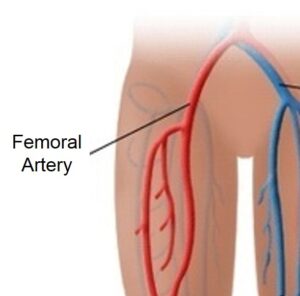
The femoral artery is a large conduit vessel in the thigh that provides the main blood supply descending to the leg, supplying oxygenated blood down through the knee, calf, foot, and ultimately the toe. This vessel can be palpated through the skin to obtain the femoral pulse and is frequently used by a patient and clinical teams for catheter access. As the femoral artery is susceptible to peripheral arterial disease, Human Femoral Artery Endothelial Cells (HFAEC) are commonly used to study atherosclerosis. These human cells, isolated from normal tissue, are cryopreserved at the second passage and can be cultured and propagated to the fifth passage and beyond while retaining key endothelial markers under defined culture conditions.
Human Femoral Artery Endothelial Cells (HFAEC) are biologically dynamic cells that respond to the mechanical and chemical environment of the peripheral circulation to maintain endothelial function:
- Hemodynamic Sensing & Tone Regulation: These cells sense the shear stress generated by blood flow, converting physical forces into biochemical signals (such as nitric oxide release) that modulate vascular tone. While underlying smooth muscle cells primarily execute vasoconstriction and contract to regulate lumen diameter, the endothelium plays a critical modulating role via paracrine signaling.
- Selective Permeability: Human Femoral Artery Endothelial Cells (HFAEC) regulate the passage of fluids and nutrients into the vessel wall. The transport characteristics of these large conduit arteries differ from those of microvascular beds.
- Antithrombotic Properties: In a healthy state, the endothelium prevents abnormal clotting to ensure the smooth passage of blood. However, activation due to injury can shift these cells toward a prothrombotic state.
- Metabolic Activity: Human Femoral Artery Endothelial Cells (HFAEC) participate in local metabolic processes, such as glycolysis and lipid handling, essential for maintaining the local vascular microenvironment.
Because the femoral artery is a frequent site for the development of peripheral arterial disease (PAD), Human Femoral Artery Endothelial Cells (HFAEC) are a useful model for investigating lower-extremity vascular conditions:
- Atherosclerosis: Researchers use Human Femoral Artery Endothelial Cells (HFAEC) to study how atherosclerotic plaques form when blood flow is disrupted and endothelial function is compromised.
- Peripheral Arterial Disease (PAD): Human Femoral Artery Endothelial Cells (HFAEC) help scientists understand why certain segments of the peripheral arteries are more susceptible to the narrowing and hardening associated with PAD.
- Endothelial Dysfunction: These cells allow for the mapping of endothelial dysfunction, a precursor to advanced vascular disease where the vessel lining loses its protective capabilities.
- Translational & Preclinical Assessment: By utilizing Human Femoral Artery Endothelial Cells (HFAEC) in vitro, researchers can evaluate endothelial biocompatibility, re-endothelialization dynamics, and drug responses relevant to the study of vascular devices like drug-eluting stents.
Details
| Tissue | Normal healthy human femoral artery | |
|---|---|---|
| QC | No bacteria, yeast, fungi, mycoplasma, virus | |
| Character | Factor VIII-related Ag, DiI-Ac-LDL uptake | |
| Bioassay | Attach, spread, proliferate in Growth Med | |
| Cryovial | 500,000 HFAEC (2nd Passage) frozen in Basal Medium w/ 10% FBS, 10% DMSO | |
| Kit | Cryovial frozen HFAEC (3016-05a), Growth Medium (211-500), Subculture Rgnt Kit (090K) | |
| Proliferating | Shipped in Gr Med, 3rd psg (flasks or plates) | |
| Doublings | At least 15 | |
| Applications | Laboratory research use only (RUO). Not for human, clinical, diagnostic or veterinary use. |
Resources
FAQs
Need More Help?
Visit our comprehensive FAQ page for detailed answers to common questions.
Need More Help?
Visit our comprehensive FAQ page for detailed answers to common questions.
Primary Cell FAQs