Microvascular
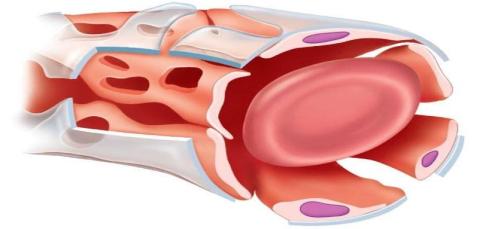
The microvasculature constitutes the vast, intricate network of capillaries, arterioles, and venules responsible for the delivery of oxygen, nutrient transport, metabolic waste exchange, and regulated leukocyte trafficking. Unlike macrovascular conduit vessels (such as the aorta or large arteries), whose primary function is to transport blood under high pulsatile pressure, the microvascular network is optimized for passive and active mass transport. The structural and functional barrier of these microvessels is governed by highly specialized, organ-specific endothelial layers that actively sense and adapt to localized tissue demands.
Because primary microvascular beds are delicate and deeply embedded within parenchymal tissues, isolating and maintaining these cells in vitro introduces notable technical variables. Contemporary vascular biology relies on a specialized matrix of primary cellular platforms, focusing primarily on Human Dermal Microvascular Endothelial Cells (CADMEC/HMVEC) and Human Lung Microvascular Endothelial Cells (HLMVEC).
By evaluating these baseline cell lots alongside pre-screened cohorts, tissue-specific disease isolates (such as lung microvascular cells from asthma and type 2 diabetes donors), lymphatic subsets, and blood-brain barrier models like Bovine Brain Microvascular Endothelial Cells (BBMVEC) and Rat Brain Microvascular Endothelial Cells (RBMVEC), investigators can reduce many of the oncogenic artifacts and altered signaling baselines typical of immortalized lines while modeling cell extravasation, tumor angiogenesis, and barrier permeability.
